
Why Use Natural Cleaning Products for Family Health
Every parent faces that moment when choosing cleaning products feels confusing and overwhelming. With countless options labeled “natural,” it is easy to question which products truly protect your family’s health while caring for the planet. Natural cleaning solutions can lower health risks like allergies and asthma, and are often more biodegradable and less polluting than traditional cleaners. This guide reveals what actually makes a product natural, bringing clarity so eco-conscious mothers can clean safer and greener with confidence.
Table of Contents
- What Makes A Cleaning Product Natural
- Main Types Of Natural Cleaning Products
- Health And Environmental Benefits Explained
- Effectiveness Compared To Traditional Cleaners
- Safety Considerations And Global Regulations
- Addressing Common Myths And Misconceptions
Key Takeaways
| Point | Details |
|---|---|
| Natural Ingredients Matter | Ensure cleaning products are made from renewable plant or mineral sources with minimal chemical processing. |
| Transparency is Essential | Always check ingredient lists for potential allergens and certifications from reputable organizations. |
| Health and Environmental Benefits | Choosing natural products can reduce health risks and environmental impact while improving indoor air quality. |
| Myth vs. Reality | Distinguish between marketing claims and the actual performance and safety of natural versus traditional cleaners. |
What Makes a Cleaning Product Natural
Understanding what truly constitutes a natural cleaning product requires a nuanced perspective beyond simple marketing claims. Natural ingredient claims can be misleading and require careful examination of the product’s actual composition and manufacturing process.
At its core, a natural cleaning product typically involves ingredients derived from plant-based or earth-sourced materials that undergo minimal chemical processing. However, the term “natural” doesn’t automatically guarantee safety or effectiveness. Here are key characteristics that define a genuinely natural cleaning product:
- Ingredients sourced from renewable plant or mineral sources
- Minimal chemical transformation during production
- Biodegradable surfactants and cleaning agents
- Transparent ingredient disclosure
- Limited or no synthetic chemical additives
Chemical conversion plays a crucial role in creating effective natural cleaning solutions. While the initial ingredients may be plant-derived, they often require processing to become functional cleaning agents. Surfactants, which are essential for breaking down dirt and grime, can be created from petrochemicals or plant-based oleochemicals.
Consumers should look beyond the “natural” label and focus on comprehensive ingredient lists, third-party certifications, and specific environmental claims. Not all natural products are automatically safe, and not all synthetic ingredients are harmful.
Pro Tip: Always verify product claims by checking ingredient lists and looking for certifications from reputable independent organizations that validate environmental and health standards.
Main Types of Natural Cleaning Products
Natural cleaning products encompass a diverse range of solutions designed to maintain a healthy home environment without harsh synthetic chemicals. Consumers can find multiple types of natural cleaning products that address various household cleaning needs while minimizing environmental impact.
The primary categories of natural cleaning products include:
- All-Purpose Cleaners: Versatile solutions for multiple surfaces
- Bathroom Cleaners: Specialized formulas for tiles, fixtures, and sanitary areas
- Dish Detergents: Plant-based options for washing dishes and kitchenware
- Laundry Products: Gentle cleaning agents for clothing and fabrics
- Floor Cleaners: Natural solutions for different flooring types
DIY Natural Cleaning Solutions offer an alternative approach to commercial products. Common ingredients like baking soda and vinegar can be combined to create powerful, eco-friendly cleaning agents. These homemade solutions often include ingredients such as:
- White vinegar for disinfecting and degreasing
- Baking soda for scrubbing and odor neutralization
- Castile soap for gentle, plant-based cleaning
- Essential oils for natural fragrance and antimicrobial properties
- Olive oil for wood and furniture polishing
The effectiveness of natural cleaning products depends on understanding their unique properties and appropriate application. While commercial and homemade options exist, the key is selecting products that balance cleaning power with environmental and health considerations.
Pro Tip: Always test natural cleaning solutions on a small, inconspicuous area first to ensure compatibility with different surfaces and materials.
Health and Environmental Benefits Explained
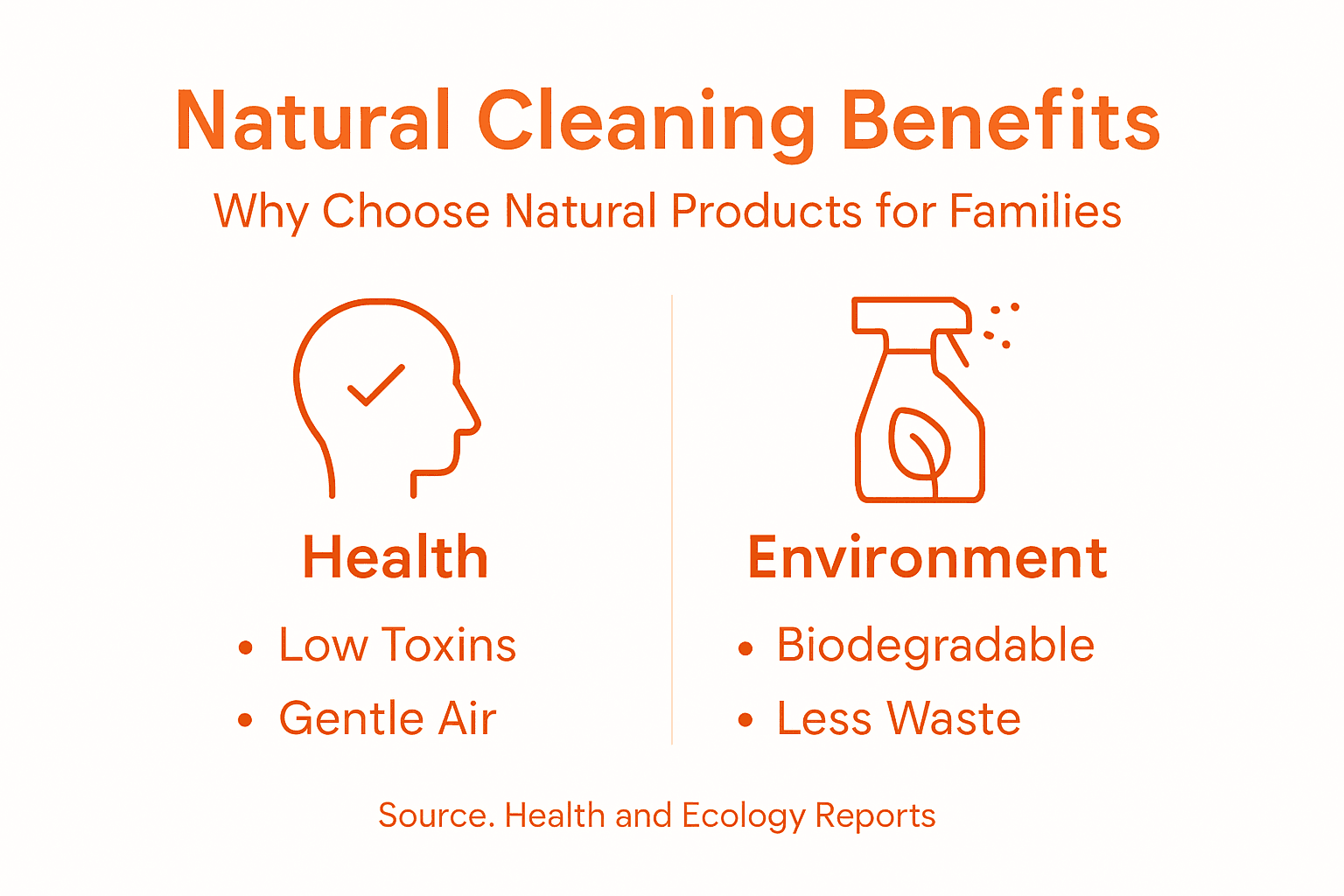
Choosing natural cleaning products offers profound benefits for both family health and environmental sustainability. Reducing exposure to harmful household chemicals can significantly lower risks associated with conventional cleaning methods, protecting your family’s long-term well-being.
The health advantages of natural cleaning products are extensive:
- Decreased risk of respiratory issues
- Lower chances of developing allergies
- Reduced exposure to toxic volatile organic compounds (VOCs)
- Minimized skin irritation and chemical sensitivities
- Improved indoor air quality
Environmental Protection plays a crucial role in natural cleaning solutions. Natural cleaning ingredients reduce indoor pollution and contribute to broader ecological conservation efforts. These products typically feature biodegradable components that break down more efficiently, preventing water and soil contamination.

Beyond personal health, natural cleaning products support broader ecosystem health by minimizing chemical runoff and reducing the environmental burden of toxic manufacturing processes. The interconnected benefits extend from individual households to global environmental systems, making each cleaning choice a meaningful contribution to sustainability.
Pro Tip: Create a dedicated storage area for natural cleaning products to keep them organized and easily accessible, ensuring consistent use of safer cleaning alternatives.
Effectiveness Compared to Traditional Cleaners
Understanding the true performance of natural cleaning products requires a nuanced perspective beyond simple marketing claims. Natural cleaning products can match traditional cleaner performance when carefully formulated with the right surfactants and ingredients.
Key performance considerations include:
- Cleaning power comparable to synthetic alternatives
- Effectiveness across different surface types
- Ability to remove dirt, grime, and bacteria
- Biodegradability and environmental impact
- Long-term safety for household surfaces
Surfactant Technology plays a critical role in cleaning effectiveness. Natural products now incorporate advanced plant-based surfactants that can break down oils, dirt, and microbial contaminants just as efficiently as traditional chemical cleaners. Consumer vigilance remains important when selecting natural cleaning solutions to ensure optimal performance and safety.
While traditional cleaners often rely on harsh chemicals for immediate results, natural cleaning products leverage sophisticated botanical ingredients that provide thorough cleaning without compromising long-term health. The key difference lies not in cleaning power, but in the underlying chemistry and potential health implications of the ingredients used.
Here’s a helpful comparison of natural versus traditional cleaning products:
| Criteria | Natural Cleaners | Traditional Cleaners |
|---|---|---|
| Ingredient Source | Plant and mineral-derived | Petroleum or synthetic-based |
| Environmental Impact | Biodegradable, less waste | Higher pollution, chemical runoff |
| Health Risks | Lower with careful use | Higher risk of skin and respiratory issues |
| Certification Availability | Widely available, variable | Less common, stricter regulations |
Pro Tip: Test natural cleaning products on a small, inconspicuous area first to verify compatibility and cleaning effectiveness for your specific surfaces.
Safety Considerations and Global Regulations
Navigating the complex landscape of cleaning product safety requires careful understanding and proactive consumer awareness. Natural cleaning products are subject to less rigorous regulatory oversight compared to food and pharmaceutical industries, creating potential gaps in ingredient transparency and safety assessment.
Key safety considerations for natural cleaning products include:
- Potential allergen identification
- Chemical composition transparency
- Potential respiratory irritation risks
- Skin sensitivity evaluation
- Environmental impact assessment
- Third-party certification importance
Regulatory Complexity varies significantly across different global markets. Workplace safety guidelines recommend careful chemical selection to minimize health risks associated with cleaning product exposure. While natural products often present fewer hazards, proper handling and understanding of ingredient interactions remain critical.
Consumers must remain vigilant about product claims, looking beyond marketing language to understand the actual chemical composition and potential health implications. This means carefully reviewing ingredient lists, seeking out independent certifications, and understanding the specific properties of each natural cleaning product.
For quick reference, here’s a summary of third-party certifications for natural cleaning products:
| Certification Name | Focus Area | Recognized By |
|---|---|---|
| EPA Safer Choice | Health and safety | United States |
| ECOLOGO | Environmental impact | North America |
| Green Seal | Product sustainability | Global |
| USDA BioPreferred | Bio-based content | United States |
Pro Tip: Research and keep a list of trusted third-party certifications that validate the safety and environmental credentials of natural cleaning products.
Addressing Common Myths and Misconceptions
Understanding natural cleaning products requires dispelling widespread misconceptions that can mislead consumers. Natural does not automatically mean safer or more effective, and consumers need a nuanced perspective to make informed choices.
Common myths about natural cleaning products include:
- “Chemical-Free” is Impossible: Everything is technically made of chemicals
- Natural Always Means Safe: Some natural substances can be highly toxic
- Synthetic Ingredients Are Dangerous: Many synthetic ingredients are scientifically proven safe
- All Natural Products Perform Equally: Formulation matters more than ingredient origin
- Organic Equals Completely Non-Toxic: Organic doesn’t guarantee total safety
Scientific Understanding reveals that safety depends on exposure and scientific testing, not simplistic labeling. Natural ingredients undergo chemical processing to become functional, and their effectiveness is determined by molecular interactions, not marketing claims.
Consumers should approach natural cleaning products with critical thinking, examining ingredient lists, understanding chemical compositions, and looking beyond buzzwords. The key is to prioritize transparency, third-party certifications, and scientific validation rather than relying on misleading marketing terminology.
Pro Tip: Develop a habit of reading ingredient labels carefully and researching unfamiliar terms to make more informed cleaning product choices.
Discover Safe and Effective Natural Cleaning Solutions for Your Family’s Health
Protecting your loved ones from harmful chemicals can feel overwhelming. This article highlights the importance of choosing cleaning products made from safe, natural ingredients like hypochlorous acid that minimize respiratory risks and indoor pollution while maintaining powerful cleaning performance. If you want cleaning products that combine health benefits with environmental care look no further than the OrbitEnviro HOCl Cleaners. These all-natural cleaners harness the power of hypochlorous acid to provide effective surface disinfection without harsh chemicals.
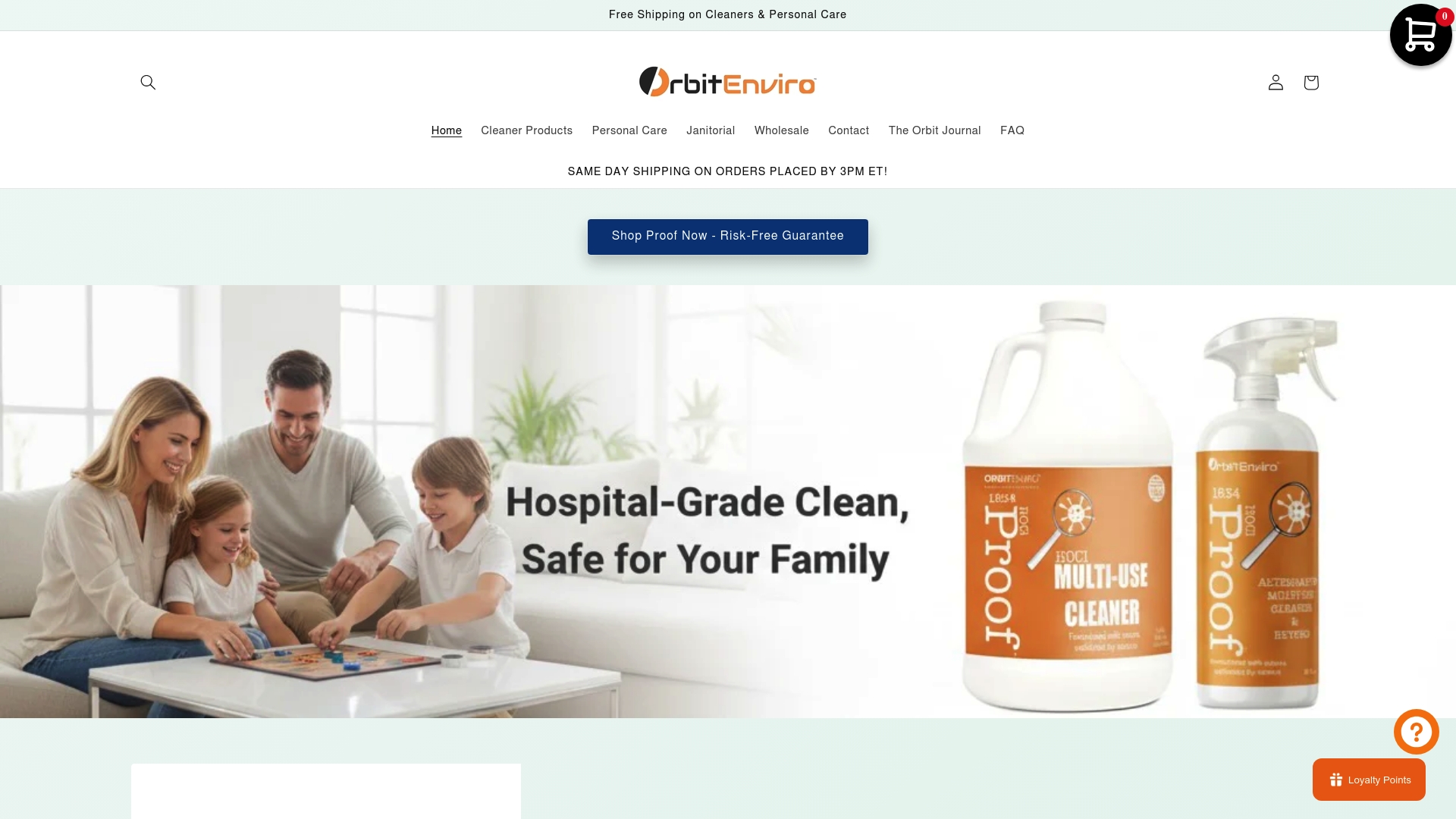
Take control of your home environment today with our trusted, eco-friendly options. Visit OrbitEnviro now to explore our full range including Commercial HOCl Janitorial Cleaners | Eco-Friendly Disinfectants designed for deeper cleaning needs. Make the switch to natural cleaners that truly support your family’s health and help protect the planet. Start your safer cleaning journey here and breathe easier tomorrow.
Frequently Asked Questions
What are the benefits of using natural cleaning products for my family’s health?
Using natural cleaning products can decrease the risk of respiratory issues, lower the chances of developing allergies, reduce exposure to toxic volatile organic compounds (VOCs), and improve indoor air quality, all contributing to better long-term health for your family.
How do natural cleaning products compare to traditional cleaners in terms of effectiveness?
Natural cleaning products can match the performance of traditional cleaners when formulated with the right surfactants and ingredients. They are capable of effectively removing dirt, grime, and bacteria without the harsh chemicals found in many conventional options.
Are natural cleaning products safe for children and pets?
Yes, natural cleaning products are generally safer for children and pets compared to traditional cleaning products. However, it’s important to verify ingredient lists for potential allergens and ensure proper handling to minimize any risks.
What should I look for when choosing natural cleaning products?
When selecting natural cleaning products, focus on comprehensive ingredient lists, minimal chemical processing, certifications from reputable organizations, and biodegradable components to ensure safety and environmental friendliness.