

How to Spot Greenwashing n 5 Seconds
You're standing in the cleaning aisle, surrounded by bottles covered in leaves, trees, and calming shades of green. Words like "natural," "eco-friendly," and "pure" are plastered everywhere. It feels like you're making the right choice for the planet. But here's the thing, that feeling might be exactly what they want you to have.
Welcome to the world of greenwashing, where marketing departments work overtime to make products look sustainable without actually being sustainable. The good news? Once you know what to look for, you can spot the fakes in about five seconds flat.
Let's break it down.
What Exactly Is Greenwashing?
Greenwashing is when companies use clever marketing to appear environmentally friendly without making meaningful changes to their products or practices. It's the corporate equivalent of putting a recycling bin sticker on a gas-guzzling SUV and calling it a day.
The term has been around since the 1980s, but it's become way more sophisticated (and sneaky) over the years. As consumers have become more eco-conscious, brands have caught on, and some have decided it's easier to look green than to actually be green.
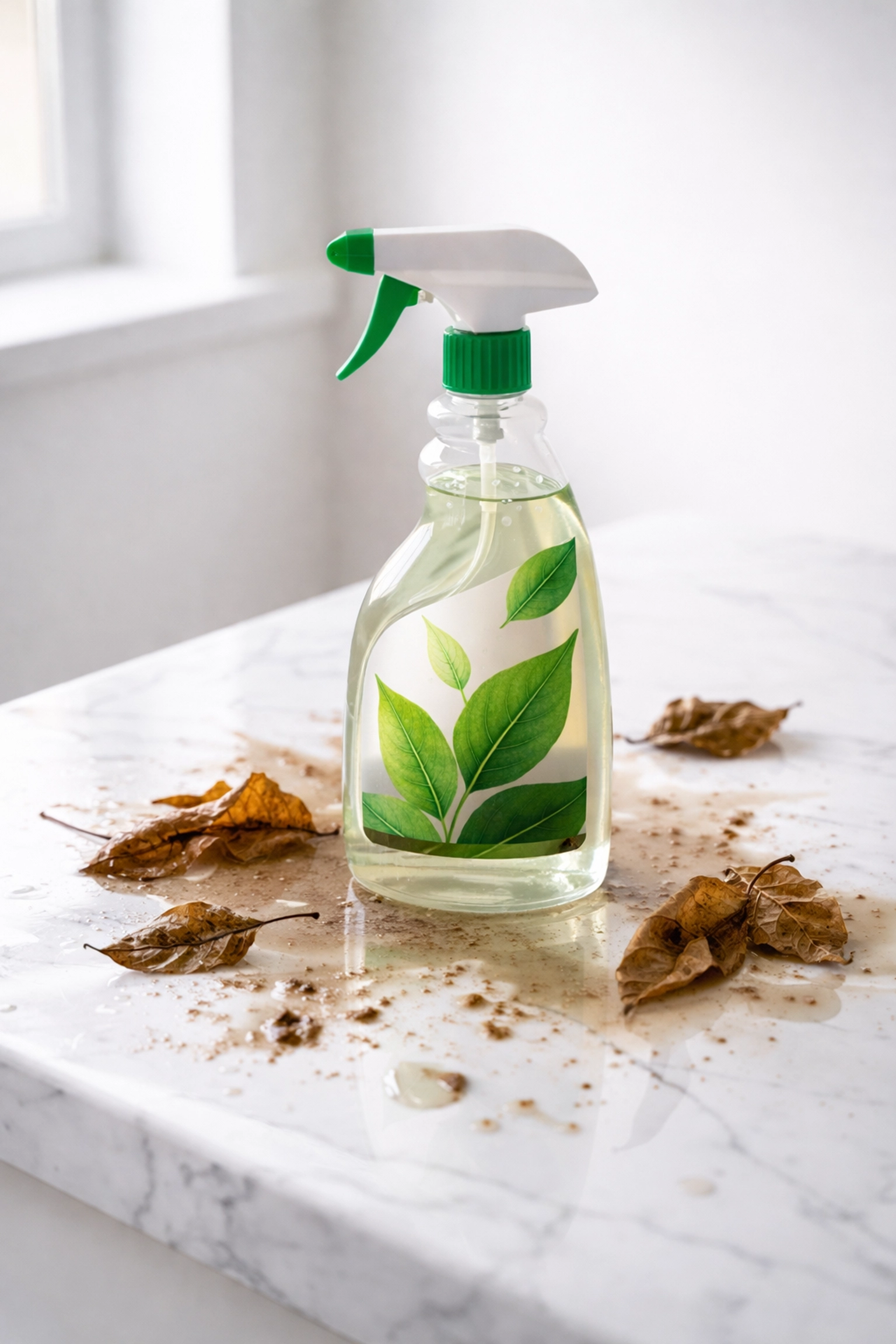
Think about it: slapping a picture of a waterfall on a bottle of bleach doesn't make it any less harsh on the environment. But it might make you feel better about buying it. That's greenwashing in action.
The 5-Second Greenwashing Test
Here's your cheat sheet. When you pick up a product claiming to be eco-friendly, run through these quick checks:
1. Look for Vague, Meaningless Buzzwords
This is the biggest red flag. Words like:
- "Natural"
- "Green"
- "Eco-friendly"
- "Pure"
- "Clean"
- "Plant-based"
Sound great, right? The problem is these terms have no legal definition. Any company can use them without proving anything. A cleaner could be 99% synthetic chemicals with a single drop of lavender oil and still call itself "natural."
The 5-second fix: Flip the bottle over and check the actual ingredient list. If they're not transparent about what's inside, that's your answer.
2. Check for Actual Certifications
Real eco-friendly products usually have third-party certifications backing up their claims. Look for legitimate seals like:
- USDA Organic
- EPA Safer Choice
- B Corp Certification
- Leaping Bunny (cruelty-free)
If a product is shouting about being green but has zero certifications to prove it? Suspicious.
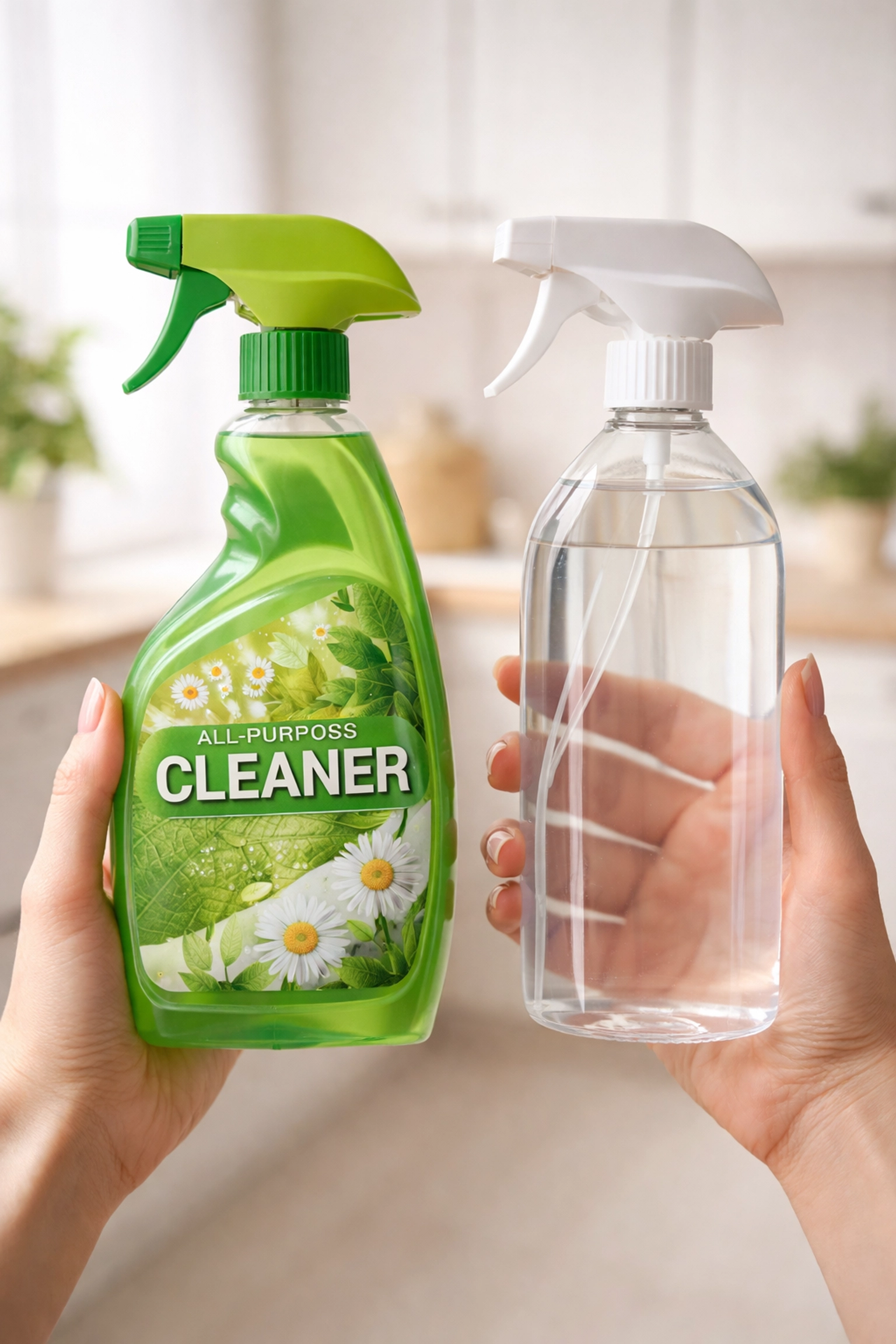
3. Watch Out for Green Imagery Without Substance
Packaging covered in leaves, trees, water droplets, and earthy tones is designed to make you feel like you're buying something sustainable. But pretty packaging doesn't equal planet-friendly ingredients.
Ask yourself: Is there specific information explaining why this product is better for the environment, or is it just dressed up to look that way?
4. Beware of Selective Information
Some companies highlight one tiny positive feature while conveniently ignoring the rest. A cleaning spray might proudly announce it's "phosphate-free" while still containing a cocktail of other harmful chemicals.
This is called the "hidden trade-off," and it's one of the most common greenwashing tactics out there.
5. If It Sounds Too Good to Be True...
Claims like "100% chemical-free" (newsflash: water is a chemical) or "completely non-toxic" without any context should raise eyebrows. Legitimate eco-friendly brands are usually specific and transparent about what their products can and can't do.
Greenwashing in the Cleaning Industry: A Special Kind of Mess
The cleaning product industry is particularly guilty of greenwashing. And honestly, it makes sense, we all want to keep our homes clean without harming our families, pets, or the planet. Brands know this, and some exploit it.
Here are some common tricks you'll see:
"Fresh Rain" and "Ocean Breeze" scents: These sound lovely and natural, but synthetic fragrances can contain dozens of undisclosed chemicals. That "fresh" smell might actually be introducing volatile organic compounds (VOCs) into your home.
"Biodegradable" without context: Sure, technically everything biodegrades eventually. But how long does it take? Under what conditions? A truly biodegradable cleaner breaks down quickly and safely. The vague claim on its own doesn't mean much.
Recyclable packaging on toxic products: Great, the bottle can be recycled. But what about the stuff inside it that's washing down your drain and into waterways?
If you want to dig deeper into why many store-bought cleaners aren't as innocent as they seem, check out our post on toxic cleaners to avoid.
What Genuinely Eco-Friendly Cleaning Looks Like
So if most "green" claims are suspect, what should you actually look for? Here's what separates the real deal from the pretenders:
Transparent ingredient lists: If a company is proud of what's in their product, they'll tell you. Every. Single. Ingredient. No vague terms like "cleaning agents" or "fragrance blend."
Simple, recognizable ingredients: You shouldn't need a chemistry degree to understand what you're spraying on your countertops.
Clear explanations of environmental benefits: Not just "eco-friendly" but why: reduced plastic waste, non-toxic to aquatic life, etc.
Honest about limitations: No product is perfect for every situation. Trustworthy brands acknowledge this instead of making sweeping claims.
Why HOCl Is the Real Deal (Not Just Marketing Hype)
At OrbitEnviro, we make cleaning products using hypochlorous acid: or HOCl for short. And before your eyes glaze over at the chemistry talk, here's why this matters:
HOCl is a substance your own body produces. Your white blood cells create it naturally to fight off pathogens. It's been used in healthcare settings for wound care and sanitization for years. It's effective, gentle, and breaks down into simple saltwater after use.
No synthetic fragrances. No harsh chemicals. No vague claims. Just science-backed cleaning that actually works.
Here's what makes HOCl different from greenwashed alternatives:
- It's genuinely non-toxic: Safe around kids, pets, and people with sensitivities. We're not just saying it: we can explain exactly why.
- It biodegrades quickly: HOCl reverts to basic saltwater, leaving no harmful residue in waterways.
- It's versatile: From kitchen counters to pet beds to gym bags, one product handles it all. (Curious? Check out our guide on versatile HOCl uses for every lifestyle.)
- We're transparent: We'll tell you exactly what's in our products and how they work. No mystery ingredients, no marketing fluff.
If you've been wondering why everyone is talking about HOCl cleaners, it's because people are finally catching on to genuinely sustainable alternatives.
Your Greenwashing Survival Guide
Let's recap with some quick tips you can use on your next shopping trip:
- Ignore the front of the package. Flip it over and read the ingredients.
- Be skeptical of vague claims. "Natural" and "eco-friendly" mean nothing without proof.
- Look for certifications. Third-party verification matters.
- Research the company. A quick search can reveal a lot about their actual practices.
- When in doubt, simplify. Fewer ingredients usually means fewer problems.
The Bottom Line
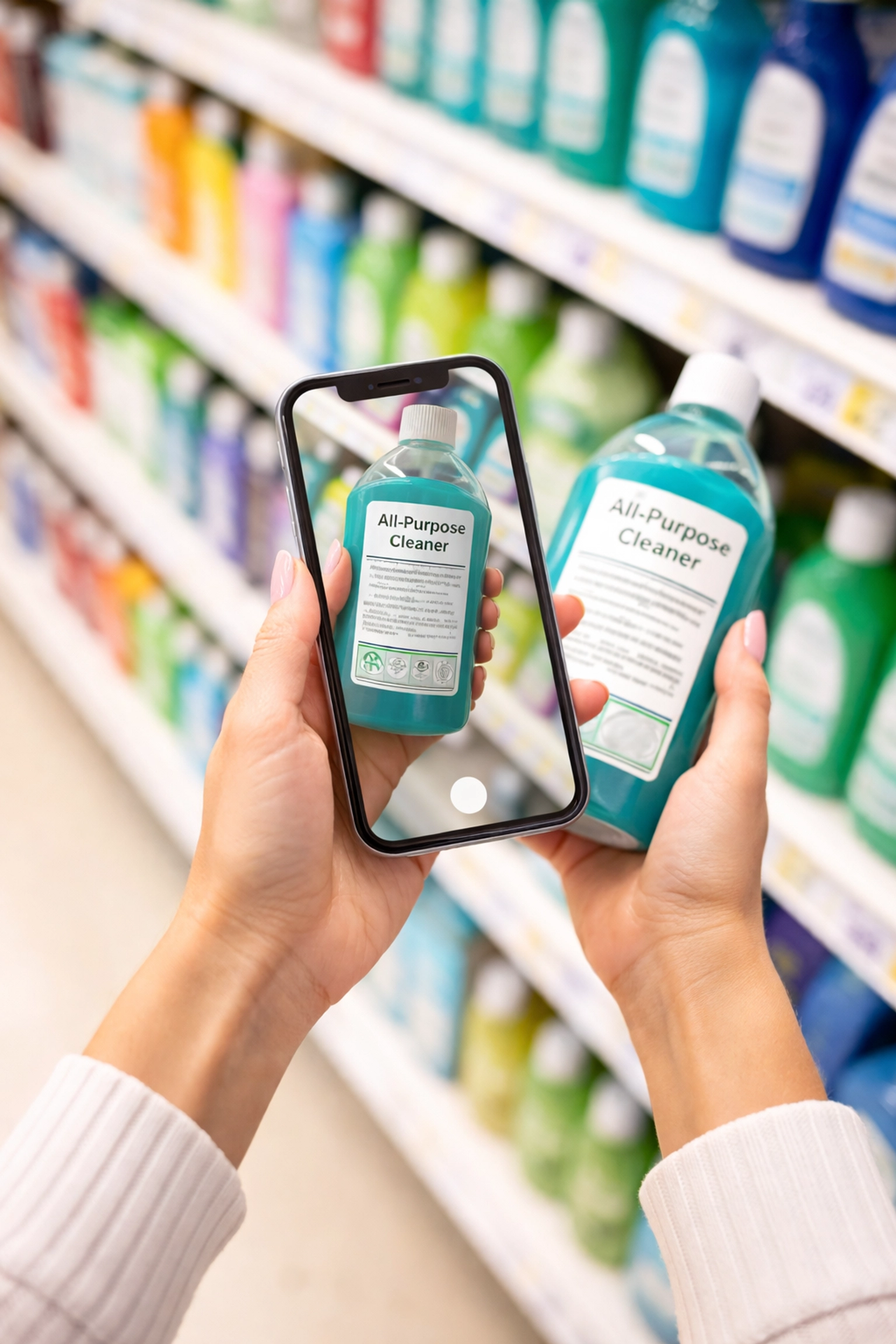
Greenwashing isn't going anywhere: as long as consumers care about the environment (which is a good thing!), some brands will try to fake it. But you don't have to fall for it.
Armed with a healthy dose of skepticism and a few seconds of label-reading, you can cut through the marketing noise and find products that actually align with your values. Your wallet, your home, and the planet will thank you.
Ready to make the switch to cleaning products that don't require a detective's eye to verify? Explore our HOCl collection and see what genuinely clean cleaning looks like.