

HOCl Vs Bleach: Which Is Better for Your Family & Health?
Let's be real , when it comes to keeping your home clean and germ-free, most of us grew up reaching for that familiar jug of bleach under the sink. It's what our parents used, and their parents before them. But here's the thing: just because something has been around forever doesn't mean it's the best (or safest) option for your family.
Enter HOCl, or hypochlorous acid. It's been making waves as a natural disinfectant spray that actually works , without the harsh fumes, skin irritation, or worry about your kids and pets being around freshly cleaned surfaces.
So, which one should you actually be using? Let's break down the HOCl vs bleach debate and figure out what's really best for your family's health.
What Exactly Is HOCl (Hypochlorous Acid)?
Here's something pretty cool: your own body makes hypochlorous acid. Yep, your white blood cells produce HOCl naturally to fight off infections and harmful bacteria. So when we talk about using HOCl as a cleaner, we're essentially harnessing something your immune system already trusts.
HOCl is created through a simple process called electrolysis , basically running an electrical current through salt water. The result? A powerful antimicrobial solution that's gentle enough to use in wound care, eye care products, and even on baby toys.
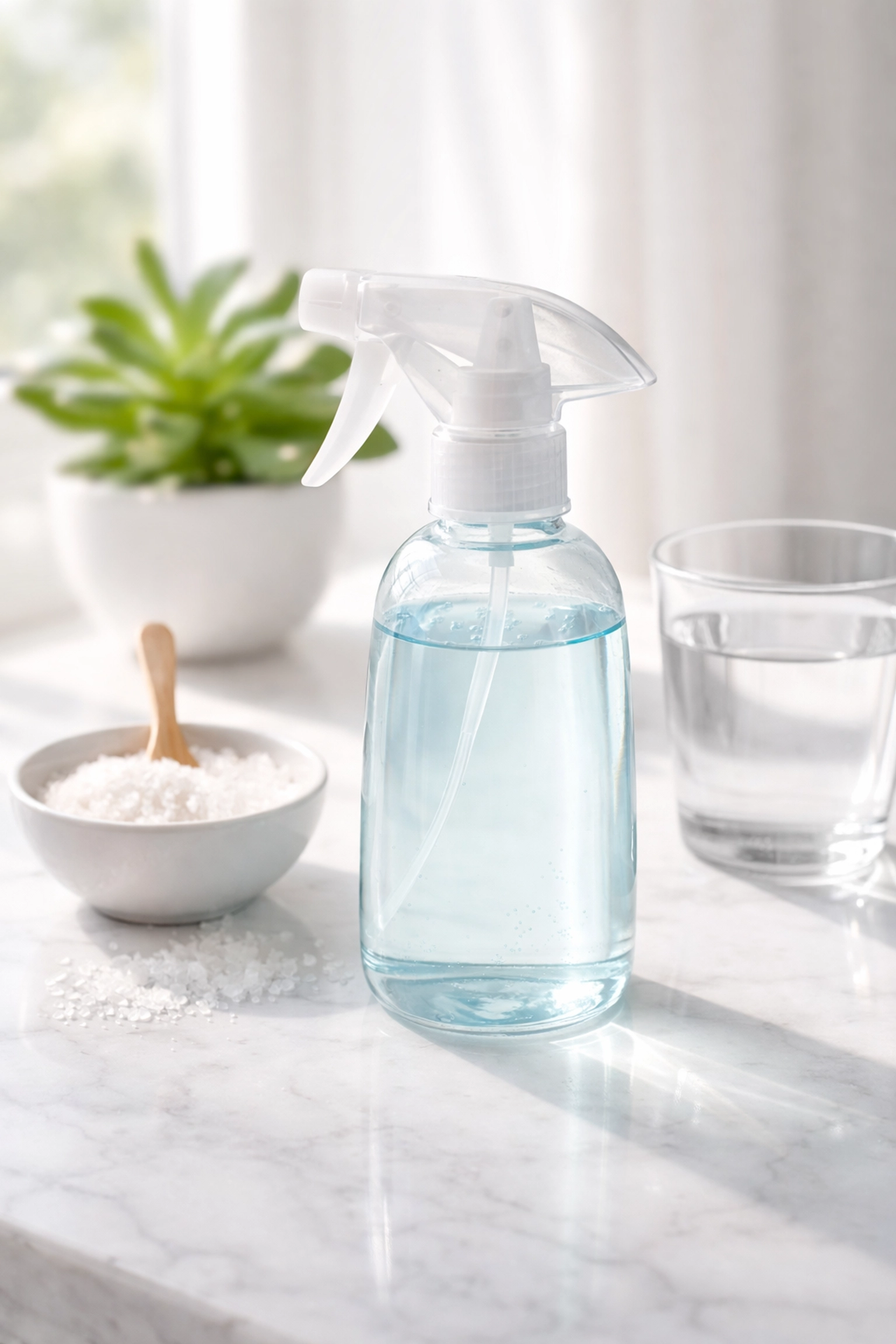
The best part? HOCl works at a near-neutral pH level (between 5-7), which means it's incredibly effective at killing germs while remaining non-toxic and non-irritating. This makes it one of the most popular safe cleaning products for families looking to ditch harsh chemicals.
What About Good Old Bleach?
Bleach (sodium hypochlorite) has been the go-to disinfectant for generations. And yes, it does kill germs , that's not up for debate. The problem is how it does it and what else comes along for the ride.
Bleach operates at a high pH level (usually between 8-13), which makes it corrosive. That's why it's so harsh on surfaces, fabrics, and , more importantly , your lungs, skin, and eyes. Ever gotten a whiff of bleach while scrubbing the bathroom and felt your eyes start to water? That's not just unpleasant; it's your body telling you something isn't right.
When you use bleach, it releases chlorine gas and volatile organic compounds (VOCs) into the air. These fumes can trigger respiratory issues, allergic reactions, and irritation , especially for people with asthma, allergies, or other pre-existing conditions.
The Safety Showdown: HOCl vs Bleach
Alright, let's get into the nitty-gritty. When it comes to keeping your family safe, here's how these two stack up:
HOCl vs Bleach Comparison Table (pH, Safety Gear, Environmental Impact)
| Factor | HOCl (Hypochlorous Acid) | Bleach (Sodium Hypochlorite) |
|---|---|---|
| Typical pH range (ready-to-use) | ~5–7 (near-neutral) | ~11–13 (highly alkaline) (household bleach is strongly basic) |
| What that pH means in real life | Gentle on most surfaces and generally non-irritating when used as directed | More corrosive; can discolor fabrics and damage some surfaces over time |
| Safety gear needed (typical household use) | Usually none (good basic hygiene is enough) | Gloves + ventilation strongly recommended; eye protection is smart when splashing is possible |
| Fumes / inhalation concerns | Minimal odor; typically no harsh fumes | Can produce strong fumes; never mix with acids or ammonia (dangerous gas risk) |
| Residue after use | Breaks down into salt + water (no harsh residue) | Can leave irritating residue; often requires rinsing on food-contact surfaces |
| Environmental impact (down the drain) | Breaks down quickly; generally considered a more eco-friendly option | Can form chlorinated byproducts in waterways; harsher on aquatic life |
| Packaging / handling | Often sold as ready-to-use sprays; no dilution needed | Often requires dilution and careful storage/handling |
| “Scientific authority” / real-world validation | HOCl is widely used in clinical wound care (because it’s compatible with skin tissue) and is also used as an EPA-registered disinfectant in many commercial formulations (always check the specific label/registration for the product you’re buying) | Bleach is a long-standing disinfectant used in homes and facilities; effective but more hazardous to handle |
Note: Exact pH and requirements can vary by brand/concentration. Always follow the specific product label.
Respiratory Health
Bleach: Those harsh fumes aren't just annoying , they can actually damage your respiratory system over time. If anyone in your household has asthma or breathing difficulties, bleach fumes can make things significantly worse.
HOCl: Virtually no fumes. You can spray it, wipe it, and breathe easy (literally). It's non-irritating to the respiratory system, which is why healthcare facilities are increasingly switching to HOCl-based disinfectants.
Skin and Eye Safety
Bleach: Direct contact can cause chemical burns, rashes, and severe eye irritation. You really need gloves and good ventilation when handling bleach , and even then, accidents happen.
HOCl: So gentle it's used in skincare products and eye drops. No gloves required, no burning sensation if it touches your skin. It's one of the reasons non-toxic cleaners based on HOCl are becoming household favorites.

Pet and Child Safety
This is the big one for most families. We all know kids and pets have a talent for touching everything , including freshly cleaned surfaces.
Bleach: Residue left behind can be harmful if ingested or absorbed through the skin. You typically need to rinse surfaces thoroughly after using bleach, and even then, there's concern about lingering chemicals.
HOCl: No toxic residue. Once it dries, it breaks down into simple salt water. Your toddler can crawl across a freshly cleaned floor, and your dog can lick their bowl right after you've sanitized it. Peace of mind? Check.
But Does HOCl Actually Work as Well as Bleach?
Here's where things get interesting. You might assume that because HOCl is gentler, it must be less effective. Nope : actually, the opposite is true.
Studies show that HOCl can be 80-100 times more effective than the hypochlorite ion found in bleach. Wait, what?
Here's the science in plain English: HOCl has a neutral charge, which allows it to sneak right through the cell walls of bacteria and viruses. Bleach, on the other hand, has a negative charge that actually gets repelled by pathogen cell walls. So even though bleach is harsher, it's less efficient at doing the actual job of killing germs.
Think of it like this: HOCl is a skilled locksmith who quietly opens the door, while bleach is banging on it with a sledgehammer but not getting through as effectively.
Environmental Impact: What Happens After You Clean?
Let's talk about what goes down the drain.
Bleach releases chlorine gas and other pollutants into the environment. When it enters waterways, it can form toxic compounds that harm aquatic life. Plus, those plastic jugs? They add up in landfills.
HOCl breaks down into harmless salt and water : that's it. No toxic residue, no environmental pollutants. If you're trying to make more eco-conscious choices (and who isn't these days?), switching to a natural disinfectant spray like HOCl is a simple win.
Practical Uses: Where Can You Actually Use HOCl?
One of the coolest things about HOCl is its versatility. Because it's so safe, you can use it pretty much anywhere:
- Kitchen surfaces and cutting boards : sanitize without worrying about food contamination
- Bathrooms : disinfect toilets, sinks, and showers without the fume headache
- Kids' toys and high chairs : no rinsing required
- Pet areas : beds, crates, bowls, litter boxes (check out why HOCl is best for pets)
- Gym bags and shoes : eliminate odor-causing bacteria naturally
- Electronics : safe for screens and devices
- On-the-go : perfect for travel, camping, and everyday carry (here's how to use HOCl for camping)
With bleach, you're pretty much limited to hard surfaces in well-ventilated areas : and you definitely can't spray it on your phone or your kid's stuffed animals.
Making the Switch to Safer Cleaning
Look, we get it. Change can feel weird, especially when you've been doing something a certain way your whole life. But when it comes to your family's health, it's worth asking: why are we still using products that require warning labels and safety gear?
At OrbitEnviro, we use HOCl to create powerful, effective cleaning products that you don't have to think twice about. No harsh chemicals, no scary fumes, no residue that makes you nervous when your kids touch the counter.
It's professional-level clean that's actually safe for real life : messy toddlers, curious pets, and all.
FAQs: HOCl vs Bleach (People Also Ask)
What’s the difference between HOCl and bleach?
HOCl (hypochlorous acid) is a disinfecting molecule your body naturally produces to help fight germs, and it typically sits at a near-neutral pH. Bleach (sodium hypochlorite) is a high-pH, more corrosive disinfectant that can be very effective—but comes with stronger fumes, higher irritation risk, and more handling precautions.
Is HOCl safer than bleach for kids and pets?
For most everyday home cleaning, yes. HOCl is non-toxic when used as directed and breaks down into salt and water, so there’s no harsh residue to worry about on floors, toys, bowls, or high-touch surfaces. Bleach can leave irritating residue and is easier to misuse (especially if mixed with other cleaners).
Do I need gloves or safety gear to use HOCl?
Typically, no. Most HOCl cleaners are designed to be used without special PPE in normal household settings. With bleach, gloves and good ventilation are usually recommended due to skin/eye irritation and fume exposure.
Is HOCl EPA-registered?
Many HOCl disinfectant products on the market are EPA-registered, but not all HOCl sprays are the same—registration applies to the specific product and its label claims. If you want EPA-backed disinfectant claims (like kill claims for certain pathogens), check the product label and registration details.
Is hypochlorous acid used in clinical wound care?
Yes. HOCl-based solutions are commonly used in clinical wound care because they can help reduce microbial load while being gentle on skin tissue—one of the reasons people trust it as a safer-feeling option compared to harsher chemicals.
Does HOCl work as well as bleach for disinfecting?
HOCl can be extremely effective. It’s able to penetrate and inactivate many pathogens efficiently, which is why it’s used in healthcare and professional settings. Bleach is also effective, but it’s harsher, more corrosive, and more likely to cause irritation or damage if overused or used incorrectly.
Does HOCl have a smell?
It can have a very mild, pool-like scent that fades quickly—nothing like the strong fumes most people associate with bleach.
How long does HOCl last on the shelf?
HOCl solutions have a shelf life (often weeks to months depending on the product, packaging, and storage). Check the label for the manufacturer’s date and storage guidance for best performance.
If you’re also trying to avoid misleading “eco” claims, here’s a helpful read: How to Spot Greenwashing
Ready to ditch the harsh chemicals and switch to safe cleaning products for families? Explore OrbitEnviro's collection and see why so many households are making the change.